FALL 2025-SPRING 2026 YARD CLEANUP / GARDEN HIBERNATION BUNDLE

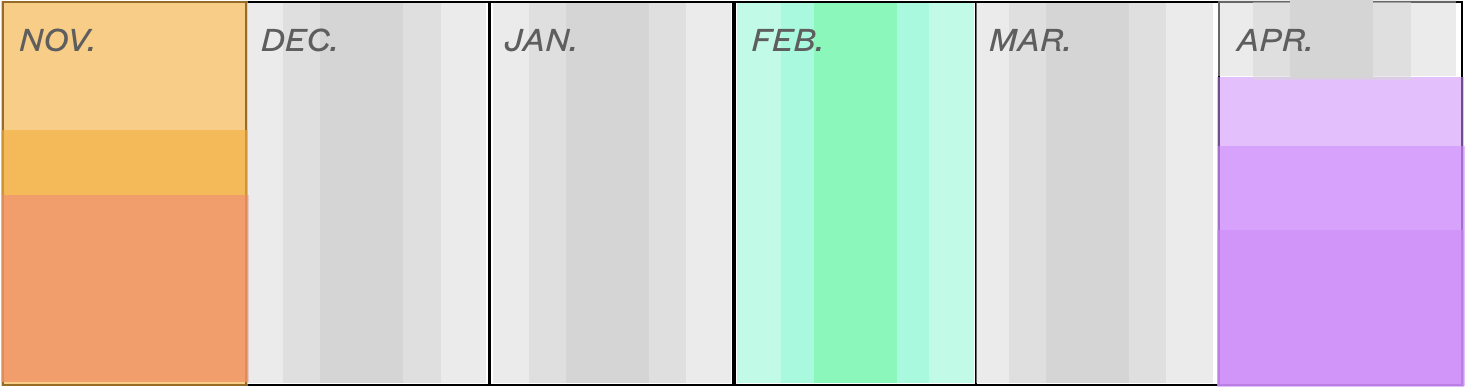
Ecologically-grounded garden shut down (fall) + mid-dormancy tidy (winter) + cleanup / garden open (spring).
We’ll meet to discuss what your yard is to you in the winter and work out an individualized balance between used and dormant spaces.
Our mandate is to foster a resilient and flourishing urban ecosystem. In fall, that means our focus shifts to invertebrate conservation: our aim is to leave as many fallen leaves on site as is practical until the temperatures rise appropriately in the spring. Many species hibernate in these leaves, so to discard the leaves before temperatures rise is to discard them too.
We also locate value in functional and aesthetically beautiful spaces. Our expertise is in meeting your tastes and spatial uses where they are and negotiating between these sometimes competing goals so our city and our future are better set up for resilience and flourishing.
Our work is done by rake, broom, bicycle, and battery-operated leaf blower. We aim to keep noise to a minimum.
SERVICE
To some extent, this depends on your yard and what you’d like its winter form to take.
For an average size Toronto front+back yard that opts in to our recommended maintenance practices (more on that below), the bundled 3-phase cost is $600.
COST
Throw away all your leaves in the fall and sell you wood chip mulch in the spring. This is an outdated practice and an ecologically empty cycle that leaves soils and invertebrate populations depleted. It is neither the only nor the best way to have a beautiful garden.
WHAT WE DON’T AIM TO DO
1
2
3
OUR MAINTENANCE PRACTICES


1
FALL
GARDEN SHUT DOWN
PATIOS / DRIVEWAYS / HARDSCAPES / STAIRS / SIDEWALKS / ROADSIDES / STORM DRAINS / WATER RUNOFF AREAS
The main maintenance priorities here are safe and accessible human movement and unimpeded and appropriate movement and infiltration of stormwater.
Leaves are to be relocated to more appropriate areas or bagged for compost if leaf coverage in those more appropriate areas is excessive.
LAWNS
Acknowledging that many are very attached to the aesthetics of the lawn, our maintenance priority in this circumstance is to mitigate the ecological impact by keeping as much leaf material on site without forcing a degree of leaf coverage that will be detrimental to turf health over winter.
Some leaves are to be relocated to more appropriate areas, some are to be mowed or mulched into the lawn to improve overall soil health, and some are to be bagged for compost.
While leaves mowed or mulched into the lawn do not support the species that would overwinter in those leaves, they support soil health in a cycle that is more ecologically positive than bagging all leaves for compost would be. Mulching speeds the rate of decomposition of the leaves, which improves soil health and fertility, and so decreases requirements for fertilization and other resource intensive lawn care practices.
GARDEN BEDS
The maintenance priorities here are aesthetics, soil health, and insulation of root systems from extreme temperatures.
Standing flower heads, stems, and drying foliage of dormant herbaceous plants are to be carefully curated, supported, and arranged for a beautiful garden in hibernation.
Fallen leaves are beneficial to garden beds. They insulate the ground and the roots beneath it from the cold and fluctuating temperatures of the winter months. Fallen leaves will be arranged such that plants are not smothered and edges between spaces are neat and aesthetically appealing. In circumstances of excessive leaf coverage, leaves are to be relocated to more appropriate areas for overwintering, mulched to accelerate leaf breakdown for soil health, or bagged for compost.
“EXCESSIVE LEAVES”
As so much of the ground-level area on residential properties is either built or paved, the amount of fallen leaves can be overwhelming to some spaces. In these circumstances, we have two major strategies with which to deal with excessive leaves.
“MORE APPROPRIATE AREAS”
The simplest first step is to relocate excessive leaves to garden bed areas, which benefit from the leaf cover over the dormant season.
Once a garden bed’s capacity for leaf coverage is met, the next step is to relocate leaves to a discreet area for the dormant season. We like to construct a discreet wire cylinder in a dormant space to contain these leaves. This keeps them from blowing around too much in the wind, but allows the leaves and the life within them to stay on site through the cold season.
Once temperates have risen in the spring, these leaves can be mulched, redistributed, or bagged for compost.
“BAGGED FOR COMPOST”
Excessive leaves will be bagged for compost and left on site for collection by municipal waste services at the next yard waste collection date. We’ll bring the bags, and if you’d like us to bring them street side the day before your area’s next yard waste collection date, we can swing by to do that.
This is the least helpful leaf strategy in an ecological dimension, so we aim to keep it to a minimum, but we’re happy to work with you to find the right balance.


2
WINTER
MID-DORMANCY TIDY
The maintenance priority here is aesthetics.
Things can get dreary in mid- and late- winter! They can also get unseasonably warm as temperatures swing around. The optimism we feel for spring can drive us to start “cleaning up” our yards as soon as the first warm-ish temperatures hit.
Many of the invertebrate species that hibernate in fallen leaves need a period of consistently warm overnight temperatures before they can emerge for the season. A brief warm spell is not enough, and “spring clean-ups” that jump the gun disturb and destroy those species.
This phase of our garden hibernation bundle aims to ameliorate that dreary, messy-feeling look of midwinter while maintaining our ecological goals of supporting invertebrate conservation. With an artful eye and with a minimum of material removed from site, we’ll tidy things up. We’ll gather, support, and uplift broken stems, understanding that crucial pollinators are likely still hidden, asleep for the winter within them. We’ll shift things around for a balanced and beautiful scene.


3
SPRING
CLEANUP + GARDEN OPENING
If we are to have an ecologically resilient city, we need to exercise patience when spring comes around. The city starts collecting yard waste in March, but leaves discarded at that time typically discard a whole world of hibernating beneficial species with them.
If we want those species that have hibernated in fallen leaves to be able to live through another life cycle, we need to wait on our total spring clean-ups until temperatures are warm enough for them to survive. To reset a garden too early in the season to fit our aesthetic trends is to deplete the invertebrate life our landscapes ought to support, and that depletion will reverberate up the ecological chain.
The appropriate date is not set in stone - it requires that we pay attention to life reemerging and watch the weather. With our garden hibernation bundle, we will do this phenological timekeeping for you. Our seasonal garden openings / clean-ups will happen when overnight temperatures are consistently at 10 degrees C for one week.
Our spring cleaning will focus on aesthetic beauty and setting optimal conditions for the season’s growth, but it does not mean a total removal of all leaves in spring. It does mean that excess leaves, like those seasonally stored in wire cylinders, will be mulched and redistributed, and those in great excess of the available space will be bagged for municipal yard waste collection.